阴8 entries
FoundationsA starting point for yin–yang, the five phases, stems and branches. Learn the vocabulary and historical context shared by many Chinese traditions.
Browse traditionKNOWLEDGE MAP
Browse 34 Eastern and Western directories by field. Divination systems, philosophy, religion and folk culture retain their own context.
 EASTERN / ATLAS
BaZi · I Ching · Feng Shui · Asian traditions
20 directories · Explore → WESTERN / ATLAS
Astrology · Tarot · Alchemy · Western esotericism
14 directories · Explore →A starting point for yin–yang, the five phases, stems and branches. Learn the vocabulary and historical context shared by many Chinese traditions.
Browse tradition
Explore the text, hexagrams and interpretive traditions of the Zhouyi. Keep philosophical reading, symbolic study and divination practice distinct.
Browse tradition
A learning directory for Four Pillars, Ten Gods, chart patterns and luck cycles. Calculation rules and school-specific interpretations are treated separately.
Browse tradition
Navigate palaces, stars and transformations in Zi Wei Dou Shu. Chart structure, input conventions and interpretation will have separate learning tracks.
Browse tradition
Start with casting, Najia and relationship categories in six-line divination. Related methods are linked without treating them as interchangeable.
Browse tradition
Explore the nine palaces, eight doors, stars and chart arrangements of Qi Men. Symbols, calculation conventions and school differences are kept distinct.
Browse tradition
Separate learning paths for Da Liu Ren and Tai Yi. They appear together in this directory while retaining their own calculation and interpretation systems.
Browse tradition
A directory for landscape form, compass schools and spatial context. Traditional symbolism is distinguished from practical lighting, airflow and circulation.
Browse tradition
Connect lunisolar calendars, solar terms and traditional date-selection vocabulary. Calendar facts, local customs and interpretive claims are labeled separately.
Browse tradition
Study face-reading, palm-reading and body symbolism as historical and folk traditions. Appearance is not used to judge character, ability or future outcomes.
Browse tradition
Explore Chinese characters, sound, naming culture and traditional name-analysis methods. Practical naming and symbolic interpretation have separate tracks.
Browse tradition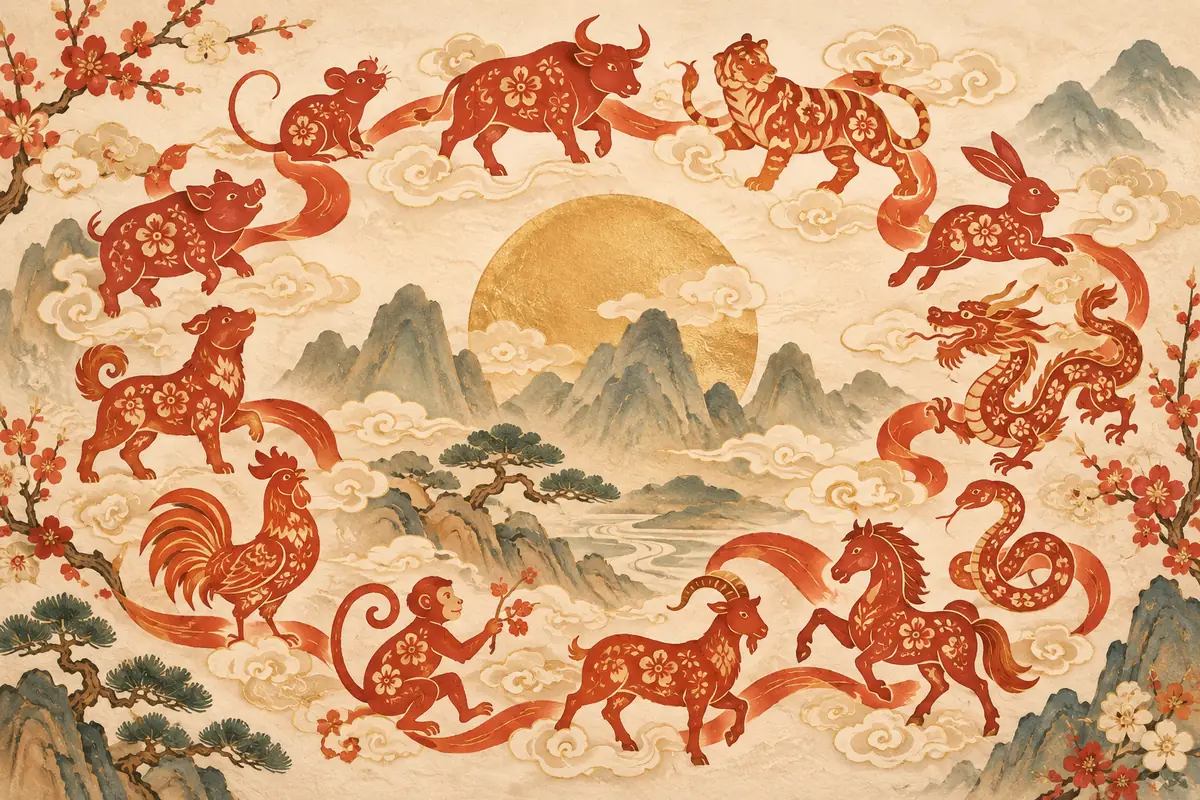
Browse zodiac animals, colors, numbers and auspicious motifs in context. Regional, historical and usage labels help avoid treating symbols as universal rules.
Browse tradition
Distinguish Daoist philosophy, religious history and practice traditions. Readings prioritize context, respectful representation and traceable sources.
Browse tradition
A cultural guide to Buddhist thought, Chan and practice traditions. Distinct Buddhist traditions are not presented as one divination system.
Browse tradition
Explore prayer customs, oracle poems, moon blocks and local rituals. Regional traditions are documented as culture rather than scientific predictions.
Browse tradition
Explore Japanese and Korean divination, calendars and customs with attention to local differences. Future articles prioritize local-language sources and regional scholarship.
Browse tradition
Separate entry points for Indian astrology, Vastu and Tibetan calendrical traditions. Religious contexts and calculation conventions are treated on their own terms.
Browse tradition
A reading directory organized by work, author, period and edition. Original texts, translations and scholarly studies are managed as distinct resources.
Browse tradition
Explore traditional Chinese astral systems and lunar mansions. Astronomical facts and astrological interpretations are kept distinct.
Browse tradition
Separate entry points for historical numerical and divinatory methods. Textual context, symbols and interpretive rules remain system-specific.
Browse tradition
Explore zodiac signs, planets, houses and chart traditions. Astrological symbolism is distinguished from astronomical facts and empirical claims.
Browse tradition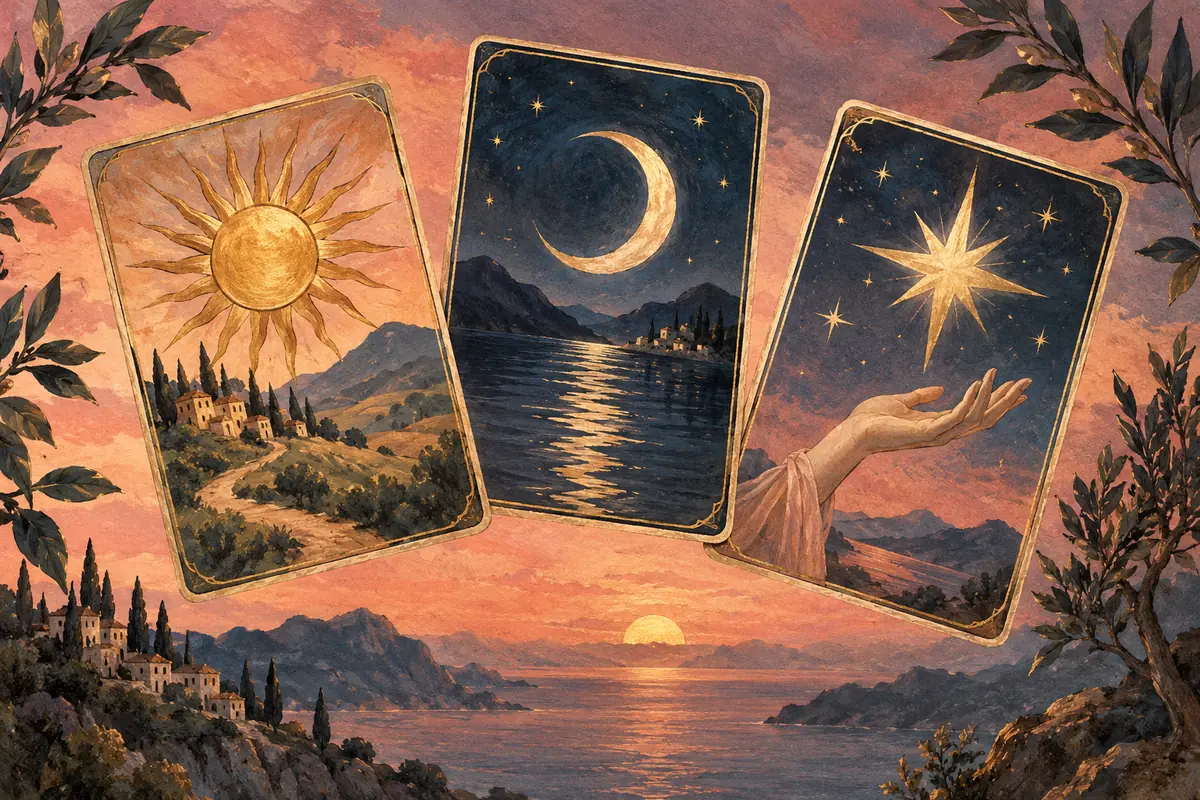
A directory for deck history, imagery and interpretation. Card-game origins, later divinatory uses and modern reflective practice are treated separately.
Browse tradition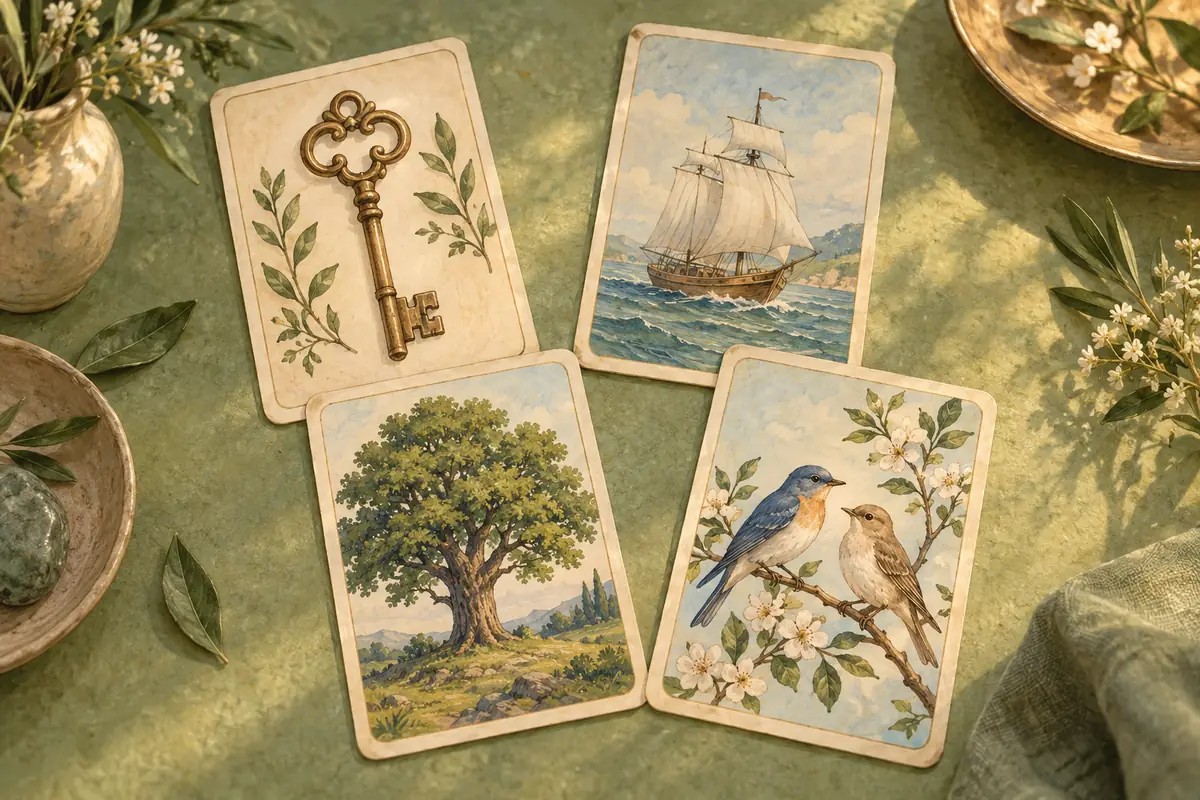
Explore Lenormand, Kipper and modern oracle decks. Each deck family retains its own history, symbols and reading conventions.
Browse tradition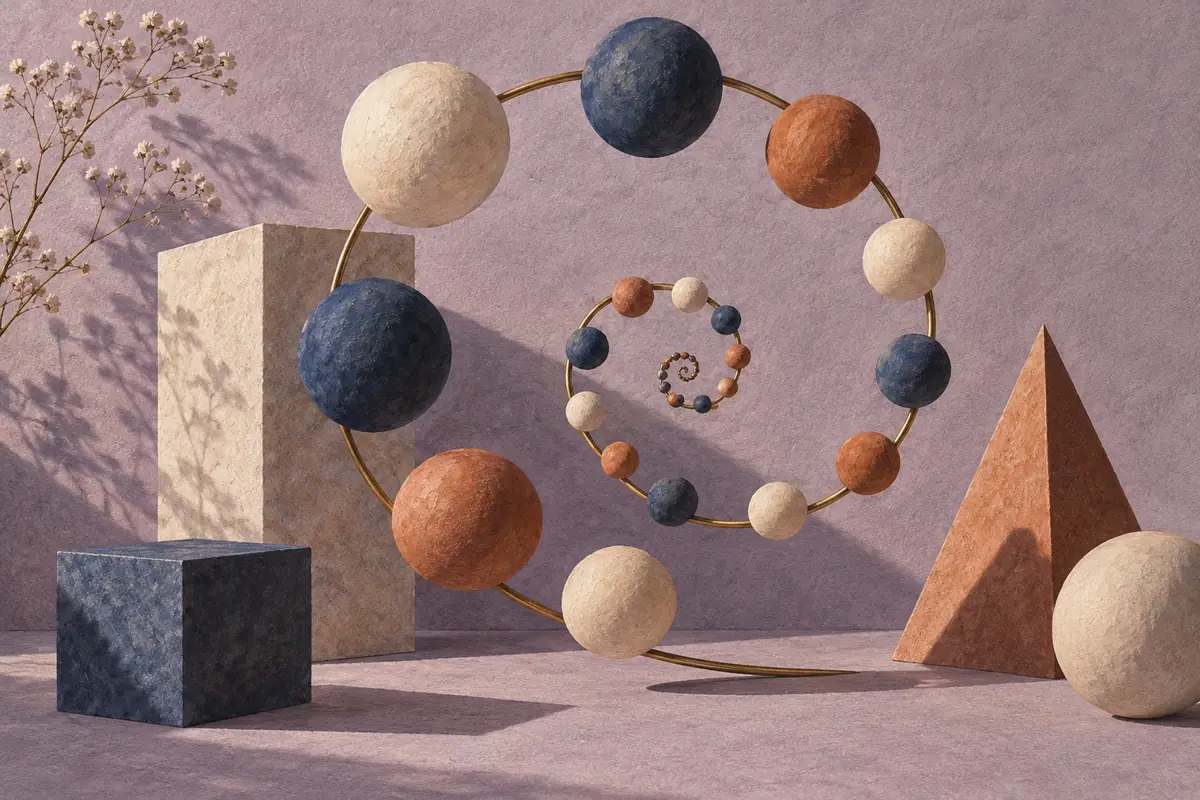
Map number symbolism, name-number conventions and modern life-path methods. Separate differing calculation rules from religious traditions of letter values.
Browse tradition
Explore Hermeticism, called 赫尔墨斯主义 or 赫尔墨斯传统 here, from ancient texts to Renaissance and modern reception, with terminology and work-specific context.
Browse tradition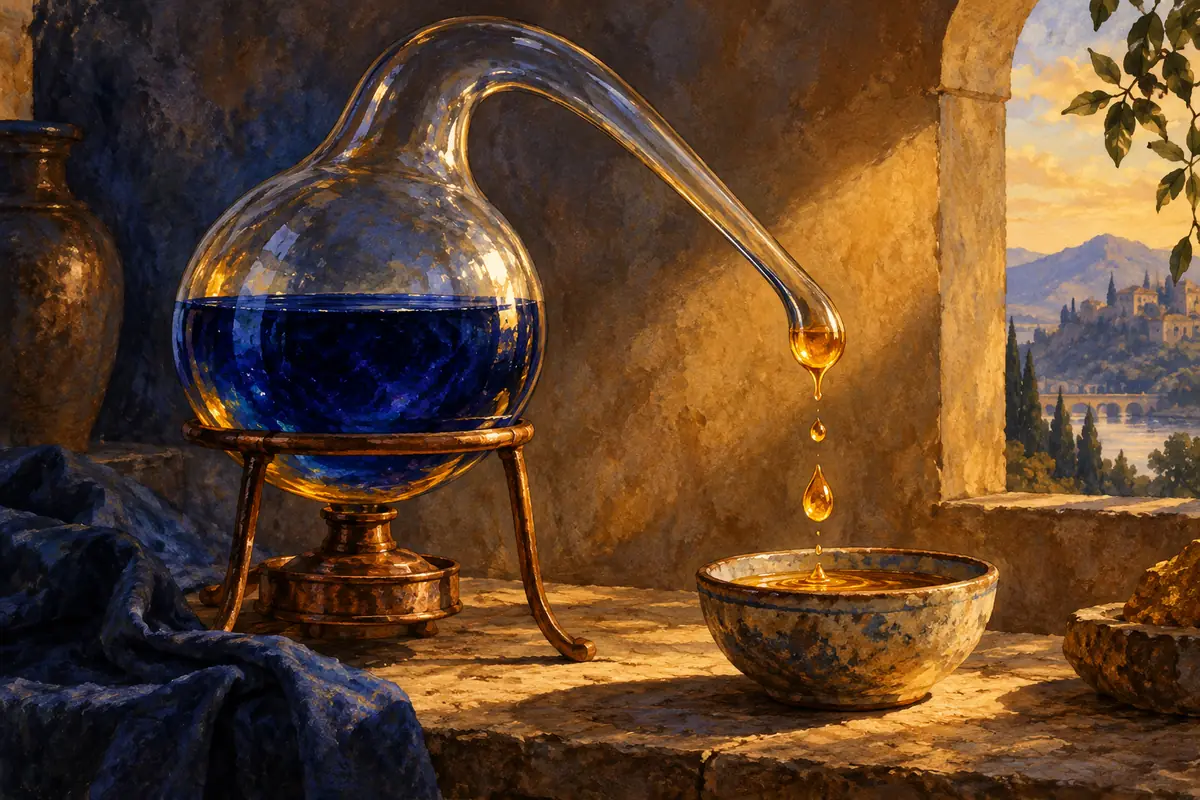
Explore alchemical texts, material practices and symbolic imagery. European alchemy, other regional traditions and modern psychological interpretations are distinguished.
Browse tradition
Separate Jewish Kabbalah, Christian Cabala and Hermetic Qabalah. Shared terms retain their religious or historical context rather than becoming interchangeable correspondences.
Browse tradition
A historical and textual directory for ceremonial magic, natural magic, theurgy and modern organizations. Symbols and claims are presented in context.
Browse tradition
Distinguish historical ideas of witchcraft, folk practices, contemporary witchcraft and Wicca. Persecution history and herbal folklore require their own context.
Browse tradition
Explore modern Pagan movements, reconstruction and nature symbolism. Ancient religions, later reception and contemporary reconstruction are identified separately.
Browse tradition
Begin with runic writing systems, inscriptions and regional differences. Historical uses of the scripts and modern rune divination remain distinct.
Browse tradition
Map geomancy, cartomancy, scrying and bibliomancy by period and region. Folklore, ritual uses and modern reflective readings are distinguished.
Browse tradition
Reading directories for Gnosticism, Neoplatonism, Christian mysticism and Rosicrucianism. Religious, philosophical and organizational traditions remain distinct.
Browse tradition
Explore New Age culture, the Theosophical Society, crystal symbolism and modern hybrid systems. South Asian origins and Western reception of chakras are distinguished.
Browse traditionNo matching directories